
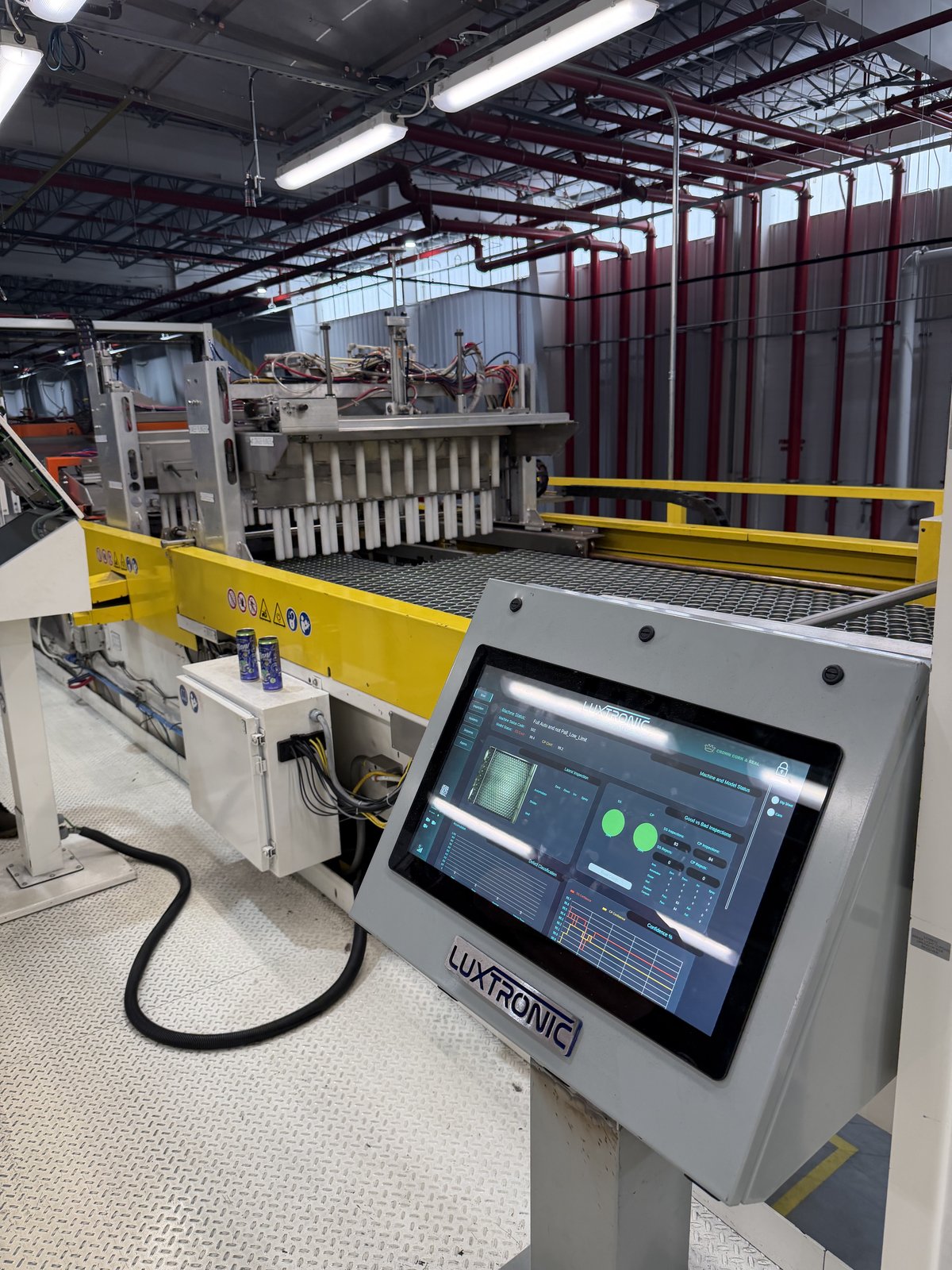
Cameras and on-machine decision software keep drawing attention in assembly and packaging. “On the machine” means the decision happens next to the line, not in a distant data center. The pattern that works is simple: sense, decide, act. The timing has to be fixed, not “whenever the network is free.” And there has to be a clear failure behavior when the camera or the model disagrees with what is actually on the belt.
Where it pays
- Inspection in the line that rejects or diverts a part without slowing the line too much
- Guiding a robot or a machine so you need less custom mechanical fixturing to hold the part
- Quality numbers that follow a traceable lot, not a colorful chart nobody uses
Where projects stall
- Lighting, and how the part is presented to the camera, treated as an afterthought
- No agreed signals to the PLC for pass, fail, override, and fault. A PLC is the controller that runs the machine. Those signals are the handshake between the camera and the controller
- A model trained on lab photos that do not match how the plant actually varies
- Nobody owns the model after the integrator leaves, so the decisions get worse as products, lighting, and wear change. That slow worsening is what people call model drift
Connecting it beats the novelty
Whether the decision runs on a smart camera, an industrial PC with a graphics processor, or a plant server, the line still needs a control story: how long the cycle is, what is locked out for safety, how an operator overrides it, and a record of what happened. An industrial PC is a hardened computer built for a cabinet. Orgenis focuses on that connection: the agreement between the PLC and the SCADA screens, the named data signals, and the startup. SCADA is the plant screens and alarms. The point is that the vision work becomes part of the machine, not a side experiment.
Discuss a controls platform decision or plant automation roadmap with Orgenis.